
The 5 Numbers That Predict How Well You’ll Age
The short answer: Five measurable things track how well you are ageing — grip strength, cardiorespiratory fitness, muscle power, balance, and movement quality. All five respond to training. Feeling fine tells you very little about any of them.
- Feeling fine is not a measurement. These markers drift for years without symptoms.
- Power fades first — faster than strength, and it is the one that decides whether you catch yourself.
- Balance is a skill, not a fixed trait. It improves with practice at any age.
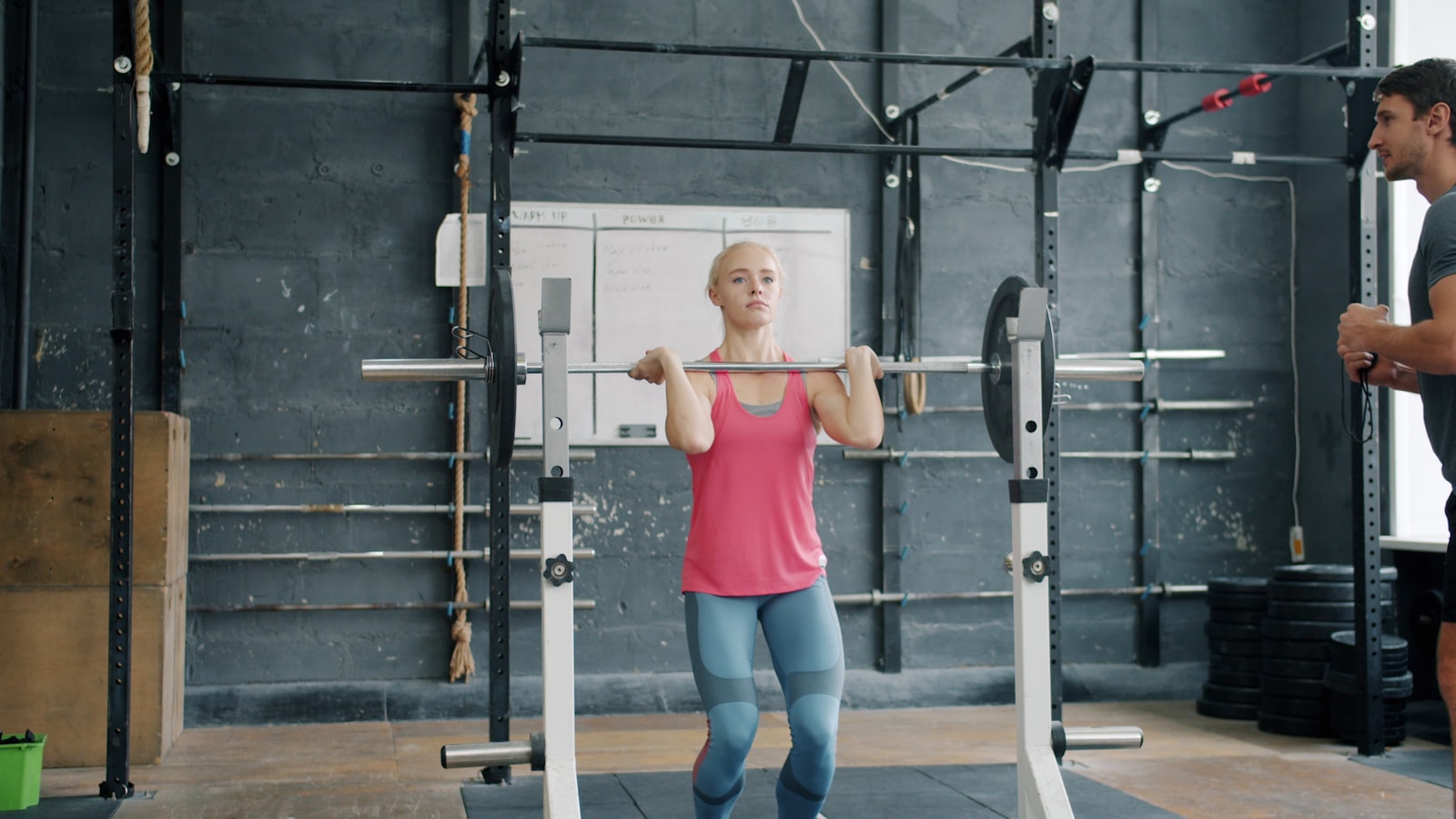
- About two hours of strength work a week is the dose most linked with living longer.
People usually judge their own ageing by how they feel. The trouble is that the things which decide whether you are still independent at eighty decline quietly, over decades, and you do not notice until something forces the issue — a fall, a knee, an illness you recover from more slowly than expected.
These five are worth knowing because they can be measured, and because every one of them moves.
1. Grip strength
The PURE study of 139,691 adults found every 5 kg of grip lost was linked with a 16% higher risk of death from any cause — and grip predicted cardiovascular death better than blood pressure did.
What moves it: not hand exercises. Grip is standing in for total body strength, so what shifts it is loading the big patterns — push, pull, squat, hinge, carry — two or three times a week. Loaded carries do both at once. There is more in our guide to grip strength and longevity.
2. Cardiorespiratory fitness
How efficiently you use oxygen under load. Across large studies it remains the strongest single predictor of how long you live — ahead of smoking status, blood pressure and cholesterol in several analyses.
What moves it: regular aerobic work, most of it easy enough to hold a conversation, with a small amount that is genuinely hard. Walking counts, and walking uphill counts more.
3. Muscle power
Not how much you can lift, but how fast you can produce force. A 2025 Mayo Clinic Proceedings analysis of 3,889 adults aged 46 to 75 found power predicted survival better than strength did — and it is the quality that declines earliest, often from the thirties.
What moves it: intent. Some of your training should be moved quickly rather than slowly — standing up fast from a chair, stepping up briskly, throwing something light. Power is also the thing that decides whether you catch yourself when you trip.
4. Balance
The quiet one. Balance decides independence more directly than almost anything else, because the consequence of losing it is a fall, and one fall is the strongest predictor of the next.
What moves it: practice, specifically. Standing on one leg while you brush your teeth is not a joke — balance responds to graded challenge like any other skill. Being careful does not train it; controlled difficulty does.
5. Movement quality and asymmetry
How well you move, and how evenly. A meaningful left-right difference in how you load a leg is hard to see by eye and often precedes the injury that eventually arrives.
What moves it: finding it first. Where it changes what we would recommend, we can measure power output and left-right asymmetry objectively on force plates — see our assessments page. That is a tool we use when it will change the plan, not something everyone needs.
What is the actual dose?
A 30-year study of 147,374 adults published in June 2026 found 90 to 120 minutes of strength training a week was linked with a 13% lower risk of death from any cause. Past two hours, the benefit stopped climbing. Combined with regular aerobic activity, the reduction reached up to 45%.
Two hours. Not a second career. Our full breakdown of that study covers what the two hours should contain.
Who should pay attention?
Anyone in their forties or fifties who has noticed recovery taking longer. Anyone on a GLP-1 medication, where a substantial share of weight lost can be lean mass unless resistance training and protein intake protect it. Anyone training hard for events who has never checked their asymmetries. And anyone whose parents lost independence earlier than they expected to.
How we can help
This is the kind of work we do with patients — assessing where you actually are, then building strength, power and balance around it. Some people need a niggle sorted first; that is usually what is standing between them and starting. Our gym-based rehab space exists for exactly this.
Daisy Hill Physio is at U4 11–13 Allamanda Dr, Daisy Hill QLD 4127, in Logan, Queensland — south of Brisbane, not Logan in Utah — and we have been here since 1987. Book an appointment online or call 07 3209 2000 and tell reception what you are trying to get back to doing.
This is general information about research markers, not a diagnosis or a health prediction for any individual. If you have a heart condition, uncontrolled blood pressure or a recent injury, check with your doctor before starting a new programme.
Related reading: On a GLP-1? Up to 40% of the weight you lose could be muscle — how to keep the strength you have while the weight comes off.
Related reading: if a sore tendon is what is stopping you from training power and strength, see Tendon pain doesn’t mean stop: what heavy slow resistance actually looks like.
For women in their 40s: bone density has its own timetable. Loss starts about a year before the final period and runs fast for roughly three years — read why perimenopause is your bone-density window and what kind of loading actually protects it.
Reviewed by Teya Williams and Joshua Hopton, Physiotherapists at Daisy Hill Physio. Reviewed 14 August 2026.
Sources: Leong et al., The Lancet 2015 — PURE study, 139,691 adults. Mayo Clinic Proceedings 2025, CLINIMEX cohort, 3,889 adults aged 46–75. Zhang, Lee, Ma, Giovannucci et al., British Journal of Sports Medicine, 2 June 2026 — 147,374 adults, three Harvard cohorts. Expert Delphi consensus on functional ageing biomarkers, 2025, validated in Biomarker Research 2026. Randomised trials of resistance training and protein intake during GLP-1 treatment.